
What Happens During a Home Inspection? A Step-by-Step Guide for Homebuyers
If you are buying a home, it is completely normal to wonder what actually happens during a home inspection. Many buyers know they need one, but they are not always sure what the inspector is doing, what is being evaluated, or what happens after the inspection is complete.
A home inspection is a professional visual evaluation of the home’s accessible systems and components. Its purpose is to help you better understand the visible condition of the property before closing. For buyers, it is one of the most valuable steps in the transaction because it provides added clarity about the home’s structure, major systems, and maintenance needs. Buffalo Property Inspections describes its buyer inspections as a comprehensive analysis of the home’s major systems, including the foundation, roof, HVAC, plumbing, and electrical systems.
The Inspection Usually Starts With the Exterior
In most cases, the inspector begins by examining the outside of the home. This may include the roof, gutters, siding, grading, drainage, foundation, windows, doors, garage, driveway, and other exterior features that are accessible at the time of the inspection.
The goal is to look for visible signs of wear, installation concerns, moisture-related conditions, indicators of structural movement, or maintenance issues. Buffalo Property Inspections’ published buyer checklist highlights roof coverings, chimney flashing, gutters, and downspouts among the exterior items reviewed.
The Inspector Then Evaluates Interior Areas
Inside the home, the inspector typically moves through each room and checks visible components, including walls, ceilings, floors, windows, doors, outlets, and fixtures. The inspection is not cosmetic; however, visible signs of water staining, cracking, damage, or operational concerns may be noted in the report.
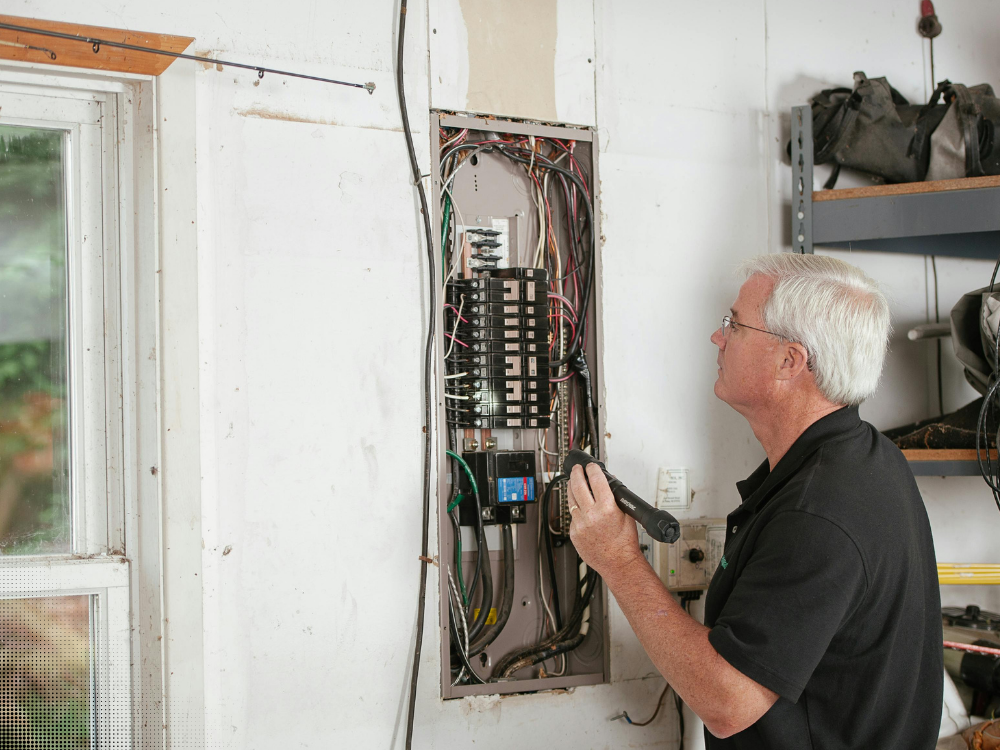
Bathrooms, kitchens, laundry areas, and utility spaces are especially important because these areas often contain plumbing fixtures, appliances, and moisture-prone conditions. The inspector may test a representative number of windows, doors, switches, outlets, and plumbing fixtures as part of the normal process.
Major Systems Are a Key Part of the Inspection
One of the most important parts of the inspection is the evaluation of the home’s major systems. This often includes:
roofing
structure and foundation
plumbing
electrical
heating and cooling
attic and insulation
interior and exterior components
Buffalo Property Inspections specifically states that its buyer inspections are designed to help clients understand issues with the foundation, roof, HVAC, plumbing, and electrical systems before purchase.
The Attic, Insulation, and Ventilation May Also Be Reviewed
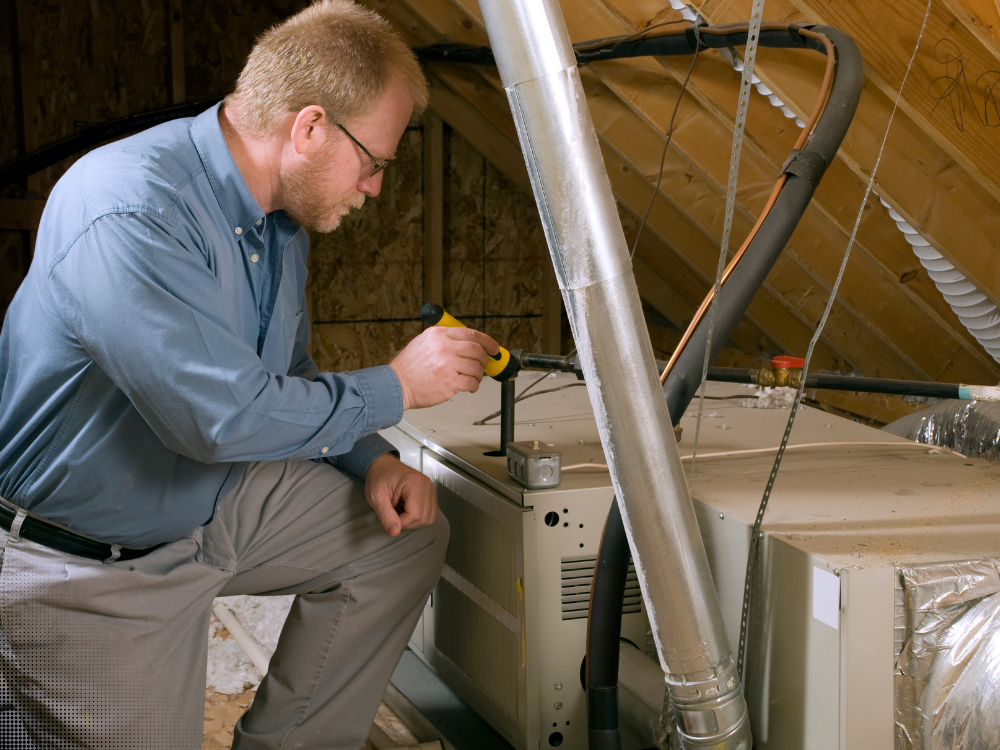
If accessible, the attic is commonly inspected for visible framing conditions, insulation levels, ventilation setup, staining, air leakage indicators, or signs of past moisture intrusion. Buyers are often surprised by how much useful information can be gathered from attic spaces.
Buffalo Property Inspections’ checklist also references checking attic insulation and ventilation as part of the inspection process.
Ancillary Services May Be Added
Depending on the property, buyers may also request additional services beyond the standard inspection. Buffalo Property Inspections lists ancillary services such as Termite Inspection, Pool & Spa Inspection, Thermal Imaging, and Sprinkler System Inspection on its blog and service-related pages. Its services menu also includes Energy Efficiency Inspections and Leak Detection Inspections.
These added services can provide more information about specific features or systems that may not be fully covered by a general home inspection alone.
The Inspector Documents Findings With Photos and Notes
Throughout the inspection, the inspector is usually taking notes and photos. This documentation becomes part of the final inspection report and helps explain what was observed during the visit.
Buffalo Property Inspections says it provides clear, easy-to-read reports with photos of inspected systems and components, and its sample report page emphasizes detailed, easy-to-understand reporting for buyers, sellers, and homeowners.
After the Inspection, You Receive a Detailed Report
Once the inspection is complete, the buyer typically receives a digital report summarizing the inspector’s findings. This report often includes descriptions, photos, and notes on visible deficiencies, maintenance concerns, and, where appropriate, recommendations for further evaluation.
Buffalo Property Inspections states on its buyer and Dallas-area pages that it provides same-day reports, and its sample report page notes that a Home Maintenance Checklist is included with every full inspection.
This report can help you:
better understand the home’s current condition
plan for future maintenance
discuss repair items with your agent
decide whether additional specialist evaluation is needed
What a Home Inspection Does Not Do
It is also important to understand what a home inspection is not. A home inspection is not a code compliance inspection, not an appraisal, and not a guarantee that no future problems will occur. It is a visual assessment of accessible areas on the day of the inspection.
That is one reason it helps to work with a company that clearly explains its process and follows professional standards. Buffalo Property Inspections states that it conducts inspections in accordance with the TREC Standards of Practice and Code of Ethics.
Why This Matters for Homebuyers
For buyers, the inspection provides something very important: perspective. A home may show beautifully during a walkthrough, but the inspection helps reveal how the property is performing beyond paint colors and staging.
Whether the findings are minor maintenance items or larger repair concerns, the inspection gives you more information to work with before closing. That is why Buffalo Property Inspections positions its buyer inspections as a way to help clients buy with confidence and better protect their investment.
Service Mention Section
Buffalo Property Inspections provides Buyer Home Inspection, New Construction Inspection, Pre-Drywall Inspection, 11th-Month Builder’s Warranty Inspection, Townhome & Condo Inspection, Pre-Listing Home Inspection, Annual 5-Point Home Inspection, Energy Efficiency Inspections, Home Winterization Inspection, Leak Detection Inspection, and ancillary services such as Termite Inspection, Pool & Spa Inspection, Thermal Imaging, and Sprinkler System Inspection. The company serves Frisco, Plano, Dallas, Fort Worth, Arlington, and Denton.
To learn more, visit the Buffalo Property Inspections home page, review the Buyer Home Inspection page, explore the sample inspection report, or schedule online. These pages currently highlight detailed reports, same-day delivery, and online scheduling convenience.
FAQs
What happens first during a home inspection?
The inspector usually starts with the exterior of the home, including the roofline, drainage, foundation perimeter, siding, and other visible outside components.
How long does a home inspection take?
The timing can vary based on the size, age, and condition of the property. Larger or more complex homes generally take longer to inspect.
Do buyers attend the home inspection?
Many buyers choose to attend at least part of the inspection. This can be a helpful way to ask questions and better understand the home’s condition, although policies may vary.
What do you get after a home inspection?
You usually receive a digital report that includes photos, observations, and notes about the visible condition of the home and its major systems. Buffalo Property Inspections states that it provides detailed reports and same-day reports on key pages.
Want to know what to expect from your inspection? Schedule with Buffalo Property Inspections and get a clearer understanding of the home before you buy.
