
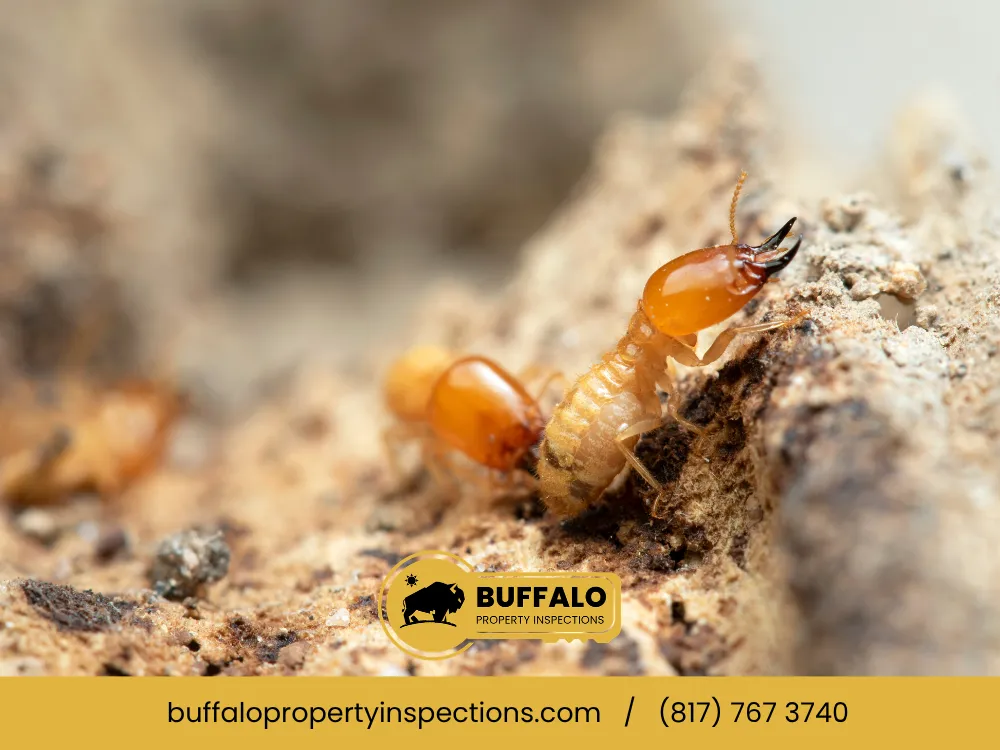
Early Spring Termite And Wood Rot Signs In Dallas, TX
Early Spring Termite And Wood Rot Warning Signs In Dallas, TX
Early spring often brings subtle changes to homes across Dallas, TX. Warmer temperatures, seasonal rain, and increased humidity can expose hidden issues that developed over cooler months. Many homeowners ask an important question this time of year: What signs of termite activity or wood rot should I look for before damage becomes more serious? Understanding what inspectors commonly observe can help homeowners act early.
Why Early Spring Reveals Hidden Wood Damage
Spring conditions in Dallas often include periods of rain followed by warm weather. These changes can activate termite activity and make moisture-related wood damage easier to detect. Home inspectors often observe that moisture-affected wood begins to show visible changes during this season.
Materials that absorbed moisture earlier may weaken or shift as temperatures rise. This can expose damage that was not obvious during winter.
Common Signs Of Possible Termite Activity
Termites usually remain hidden, but their presence can affect building materials in noticeable ways. Inspectors are trained to look for subtle indicators that suggest elevated risk.
Homeowners may notice:
Mud tubes along foundation walls or crawl spaces
Wood that sounds hollow when gently tapped
Tight-fitting doors or windows caused by damaged framing
Small debris or residue near baseboards or window areas
These signs do not confirm an infestation, but they indicate conditions that warrant further evaluation.
Early Indicators Of Wood Rot
Wood rot develops when moisture remains in contact with wood for extended periods. Inspectors frequently find early-stage rot in areas exposed to repeated moisture, especially during seasonal changes in weather.
Common signs homeowners may observe include:
Soft or crumbling wood around windows, doors, or trim
Bubbling or peeling paint that traps moisture underneath
Discoloration on wood surfaces
A musty odor in enclosed or low-ventilation areas
Wood rot can weaken structural components over time if left unaddressed.
Areas Inspectors Commonly Focus On
During a home inspection, inspectors focus on areas where moisture and wood meet. These areas often show early warning signs before widespread damage occurs.
Common inspection areas include foundations, exterior trim, decks, crawl spaces, and areas around plumbing penetrations. Inspectors look for visible damage and the conditions that allow moisture or pests to persist.
How Home Inspections Help Identify Risk Conditions
A professional home inspection provides homeowners with an objective look at visible wood conditions and contributing factors. Inspectors do not diagnose infestations, but they identify patterns that suggest increased risk.
In Dallas, TX, inspections often reveal how drainage, ventilation, and maintenance habits influence long-term durability. Early identification helps homeowners plan repairs before damage progresses further.
Early spring is an important time for homeowners in Dallas, TX, to stay alert for signs of termite activity and wood rot. Recognizing common warning signs and understanding what inspectors look for can help protect the home’s structure. Routine maintenance and professional inspections remain essential for catching issues early.
If you live in Dallas, TX, schedule your home inspection with Buffalo Property Inspections today.
