
Common Spring Roof Issues In Fort Worth, TX
Common Roof Issues Found During Spring Home Inspections In Fort Worth, TX
Spring rain season in Fort Worth, Texas, often reveals roof problems that may go unnoticed during drier months. As heavier rainstorms, wind, and rising humidity move through North Texas, roofing systems experience increased stress. A common question homeowners ask is: What roof issues are most commonly found in Fort Worth home inspections during the spring rain season?
During seasonal inspections, several patterns consistently emerge. Understanding these common findings can help homeowners stay informed and proactive before small concerns develop into larger repairs.
Shingle Damage And Surface Wear
Shingle deterioration is one of the most frequently documented concerns during spring home inspections in Fort Worth. Roofing materials endure year-round exposure to intense sun, strong winds, and fluctuating temperatures. Over time, these conditions can cause shingles to crack, curl, loosen, or lose protective granules.
Spring rain often exposes these weaknesses. When shingles are compromised, water can more easily reach the underlayment layers during prolonged rainfall. Inspectors commonly look for:
Uneven or lifted shingles
Granule accumulation near downspouts
Cracked or brittle roofing surfaces
Missing shingles after storms
Surface wear reduces the roof’s ability to shed water efficiently, especially during heavy rain events in Texas.
Flashing Problems Around Roof Features
Flashing plays a critical role in sealing vulnerable areas where the roof meets chimneys, plumbing vents, skylights, and wall transitions. Even when shingles appear intact, deteriorated flashing can allow moisture intrusion.
During spring inspections in Fort Worth, inspectors often observe:
Shifted or loose metal flashing
Corrosion or rusting
Sealant failure around penetrations
Small gaps caused by material expansion and contraction
North Texas temperature swings contribute to the gradual movement of roofing materials. Over time, this expansion and contraction may create openings that become active leak points during spring rainstorms.
Poor Roof Drainage And Debris Buildup
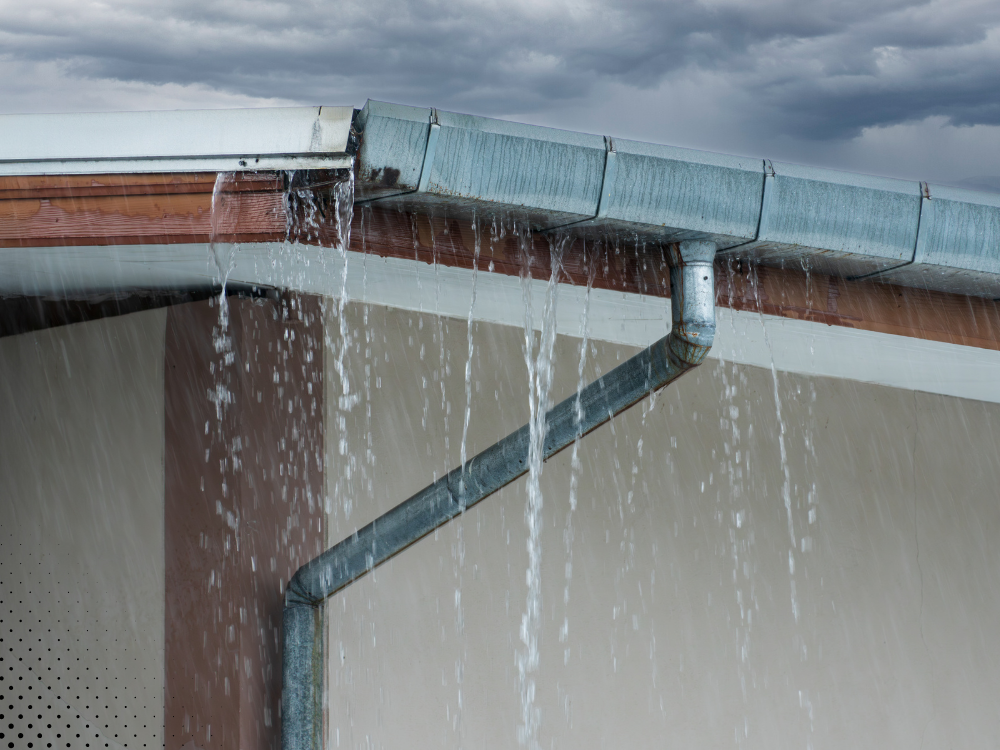
Effective drainage is essential during the spring rain season. Roof valleys, gutters, and downspouts must channel water away from the roof and foundation efficiently. Inspectors frequently document debris accumulation in areas where water flow should remain unobstructed.
Common drainage concerns include:
Leaves and debris are trapped in valleys
Clogged or sagging gutters
Downspouts not directing water away from the home
Standing water near the roof edges
When drainage is restricted, water may back up beneath roofing materials. In Fort Worth, where seasonal storms can deliver heavy rainfall in short periods, drainage performance becomes especially important.
Signs Of Moisture Intrusion Or Past Leaks
Spring inspections often reveal evidence of prior moisture intrusion—even if no active leak is present during the inspection. Inspectors may document:
Water staining on the roof decking
Discoloration on interior ceilings
Softened wood components
Damp insulation in attic spaces
Rising humidity during spring can make these conditions more noticeable. While staining does not always indicate ongoing leakage, it signals that water entered the system at some point and may warrant monitoring or repair.
Ventilation And Attic-Related Roof Concerns
Roof performance is closely tied to attic ventilation. During spring inspections in Fort Worth, inspectors often assess whether ventilation supports proper moisture control.
Common attic-related observations include:
Inadequate airflow
Blocked vents
Condensation buildup
Musty odors
Damp insulation
Poor ventilation can trap moisture in the attic, contributing to material deterioration over time. While these issues may not immediately signal roof failure, they are commonly documented during spring home inspections.
Why Spring Inspections Matter In Fort Worth
The spring rain season frequently highlights roof vulnerabilities that may remain hidden during dry periods. In Fort Worth, TX, inspectors consistently observe:
Shingle damage and surface wear
Flashing deterioration
Drainage restrictions
Signs of past moisture intrusion
Ventilation-related concerns
Seasonal inspections provide homeowners with a clearer understanding of the roof's condition following winter and early-spring storms.
If you live in Fort Worth and want a thorough evaluation of your roof and home, schedule your inspection with Buffalo Property Inspections today.
📞 817-767-3740
🌐https://www.buffalopropertyinspections.com/
