
Why You Should Test Your Home's Carbon Monoxide Detectors This Winter
As winter approaches, home heating systems become essential to maintaining comfort in your home. However, with the increased use of heating devices comes a greater risk of carbon monoxide (CO) poisoning, an odorless, colorless gas that can be deadly.
Ensuring your carbon monoxide detectors are functioning properly is crucial for your family’s safety. A home inspection offers the perfect opportunity to check not only the state of your heating systems but also to confirm that your CO detectors are working as they should.
Why Carbon Monoxide Detectors Matter for Home Safety
Carbon monoxide is often called the “silent killer” because it is invisible and undetectable by the human senses. It can come from malfunctioning appliances, furnaces, water heaters, or even car exhaust. As temperatures drop and homes rely more on heating devices, it becomes vital to have properly working carbon monoxide detectors in place to avoid serious health risks.
A carbon monoxide detector is a simple and effective tool that can provide an early warning if CO levels in your home become dangerous. Homeowners should regularly test these detectors, especially in winter when the risk is higher.
How to Test Your Carbon Monoxide Detectors
Testing your carbon monoxide detectors is relatively easy. Here’s a quick checklist for homeowners to follow:
- Check the battery: Make sure the batteries in your detectors are not expired. Replace them at least once a year.
- Test the detector: Press the "test" button to ensure it sounds off. If it doesn't, consider replacing the unit.
- Inspect the placement: Ensure detectors are installed in the right locations, typically near sleeping areas and on each level of the home.
- Clean the detector: Dust can accumulate inside the unit and affect its performance. Use a vacuum to gently clean around it.
- Replace old detectors: Carbon monoxide detectors have a lifespan of 5 to 7 years. If yours is older than that, it's time to replace it.
How a Home Inspector Can Help With Carbon Monoxide Safety
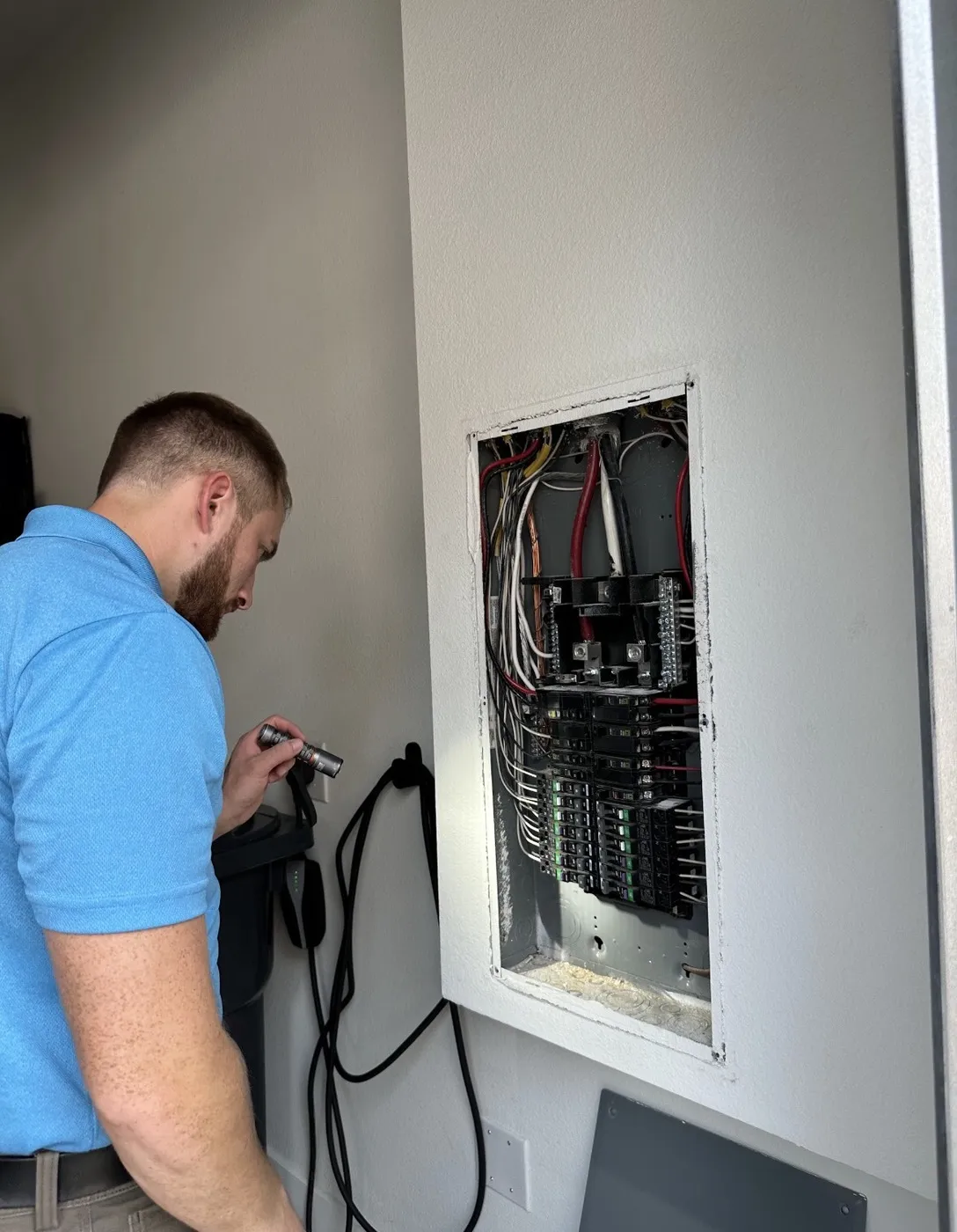
During a home inspection, a qualified home inspector will examine your home’s heating systems, appliances, and detectors. They will confirm that your carbon monoxide detectors are placed in optimal locations and functioning properly. They can also identify potential risks that might increase the likelihood of carbon monoxide buildup, such as faulty heating systems or poor ventilation.
A thorough home inspection provides homeowners with peace of mind, knowing that their home is safe from potential CO hazards. If you’re unsure whether your home is up to date regarding CO detection, a professional inspection can offer valuable insights and recommendations for improvement.
Why Carbon Monoxide Detectors Are Essential in Winter
Winter increases the likelihood of carbon monoxide exposure due to greater reliance on heating systems like furnaces, fireplaces, and space heaters. In colder conditions, homes are more tightly sealed, which can trap carbon monoxide inside. That is why testing your detectors before the winter season begins is vital for safeguarding your home and family.
By ensuring your carbon monoxide detectors are functioning properly, you’re taking a proactive step to prevent potential hazards. This small action can save lives and protect your home from devastating health effects.
Protect Your Family From CO Poisoning Today
If you’re concerned about the safety of your home’s heating system and carbon monoxide detectors, schedule a home inspection with Buffalo Property Inspections today. Our team will help ensure your detectors are working properly during your home maintenance inspection and that your home is safe for the winter season.
Contact us now at 817-767-3740 or visit https://buffalopropertyinspections.com/ to book your inspection.
Related from Buffalo Property Inspections