
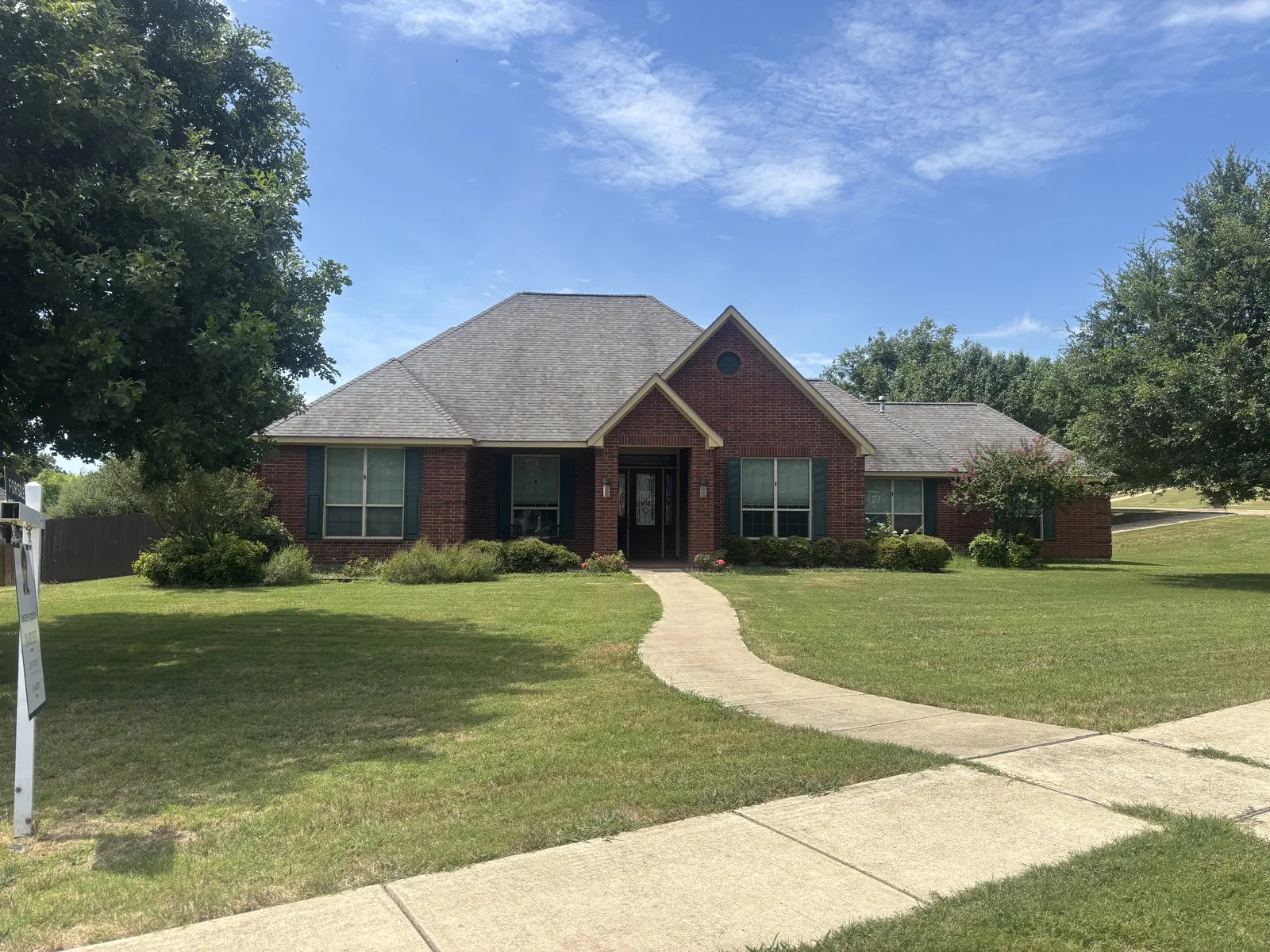
The Role of a Home Inspector
When buying or maintaining a home, understanding the role of a home inspector is essential. A home inspector’s primary responsibility is to evaluate the property’s condition at the time of inspection and provide an objective report.
Inspectors are generalists, not specialists. Their goal is to help homeowners and buyers understand the current state of a home, not to predict future problems or guarantee that everything will remain problem-free.
What a Home Inspection Covers
A home inspection provides a snapshot of a home’s condition. Inspectors examine visible and accessible areas of the property, reporting on structural components, electrical systems, plumbing, HVAC systems, and other relevant aspects.
However, a home inspection does not include predictions about future events. Issues that arise after the inspection, such as roof leaks, plumbing failures, heating system breakdowns, or appliance malfunctions, are the homeowner’s responsibility.
Understanding this distinction helps homeowners make informed decisions while setting realistic expectations about what an inspection can and cannot do.
Understanding Normal Wear and Tear
All homes experience normal wear and tear over time. Materials deteriorate, appliances age, and systems may eventually fail.
A home inspection can uncover current issues, highlight areas that need maintenance, and supplement the seller’s disclosure. It cannot, however, prevent future problems. Budgeting for ongoing maintenance and repairs is an essential part of protecting your investment and ensuring your home remains safe and functional.
Real-World Examples
A few common situations show where the inspector’s responsibility ends and the homeowner’s begins:
- Water damage: Water stains on ceilings or walls often indicate a long-term leak. While the homeowner may already be aware of the issue, it is not the inspector's responsibility to detect leaks that are hidden or that develop after the inspection.
- Roofing issues: Shingles that lift or crack after an inspection typically result from normal aging, storms, or environmental factors. Inspectors cannot predict these future events, but they can identify existing damage during the inspection.
FAQ: Key Home Inspector Responsibilities
What does a home inspector do? An inspector evaluates the visible and accessible condition of the home at the time of inspection and provides a detailed report.
Does a home inspection guarantee that nothing will break in the future? No. Home inspections are a point-in-time evaluation and cannot predict future failures.
Who is responsible for future problems? Homeowners are responsible for ongoing maintenance and for addressing issues as they arise.
Why are inspections important? They provide peace of mind, guide maintenance, and help buyers make informed decisions.
Final Thoughts
A home inspection is a critical tool for understanding your property today, but it is not a warranty for the future. By recognizing the inspector’s role, understanding normal wear and tear, and budgeting for regular maintenance, homeowners can protect their investment and enjoy a safer, more reliable home.
Protect your home and investment. Schedule a professional home inspection today with Buffalo Property Inspections. Our expert team provides thorough, detailed reports so you know exactly what’s behind your walls and under your roof.
Book your inspection now at BuffaloPropertyInspections.com or call (817) 767-3740 for peace of mind and expert guidance.
Related from Buffalo Property Inspections