You hand over your life savings for a beautiful home, only to find a $30,000 foundation crack hidden behind fresh paint.
This nightmare became a reality for many families during the 2021 real estate frenzy. Around 19% to 30% of buyers waived their right to a look-over just to win a bidding war. Many of those buyers later faced massive repair bills that they never saw coming.
A buyer’s home inspection is your primary defense against a bad investment.
Reading this will help you understand exactly what you are paying for and how to protect your wallet before you sign the final papers.
What Does a Buyer’s Home Inspection Actually Cover
Think of this process as a physical exam for a house. A pro walks through the property to check the structure and the systems.
Core Systems Evaluated During an Inspection
- Structural Envelope: Foundation walls, footings, framing joists, roof deck geometry, and load-bearing partitions.
- Roofing Systems: Roof coverings, flashings, valleys, gutters, downspouts, and attic ventilation paths.
- Electrical Infrastructure: Main service panels, breaker capacities, grounding/bonding wires, and branch circuit wiring.
- Plumbing Assemblies: Water supply lines, drain-waste-vent (DWV) piping, water heaters, and fixture drainage.
- HVAC Systems: Heating equipment, cooling coils, ductwork integrity, and thermostat controls.
The goal is to find safety issues or costly problems that aren’t obvious at first glance. Even new homes can have major flaws. Construction crews make mistakes, and they can miss things during the build.
The Role of a Certified Home Inspector
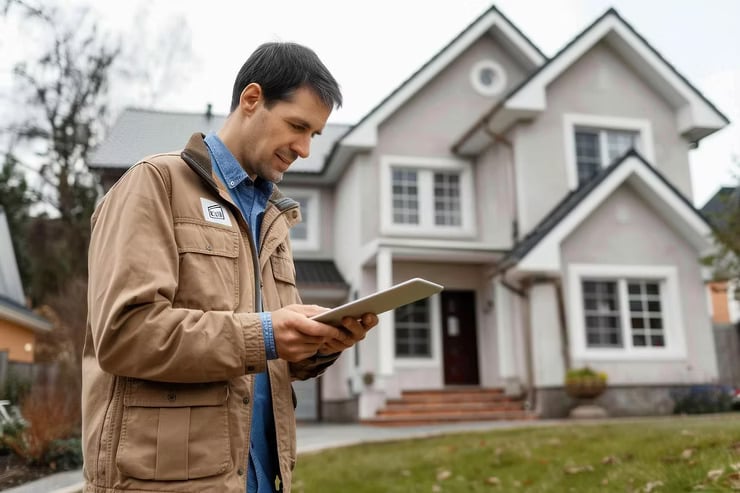
Nothing can replace a certified home inspector. These professionals go through hundreds of hours of training to spot tiny clues. A water stain on a ceiling might look dry, but they use moisture meters to see if it is active.
They also understand local building codes and whether a house’s systems are functioning properly. Their job is to give you an unbiased, honest report on the property’s condition.
Why Skipping This Step Is a Financial Gamble
Buying a home is likely the biggest purchase you will ever make. Spending a few hundred dollars now can save you tens of thousands later.
If the inspection reveals an old roof or a dying furnace, you have options.
- You can ask the seller to fix the issue before you move in.
- You can also ask for a price reduction to cover the cost of the repair yourself.
Without that report, you have zero leverage once the deal is closed.
Real Stories from the Real Estate Front Lines
A first-time buyer waived the inspection contingency in order to compete for a home. After closing, a plumber opened a bathroom wall and discovered corroded pipes and extensive mold damage.
The repairs were estimated at approximately $22,000, leaving the buyers responsible for costs they might have negotiated or avoided with a pre-purchase inspection.
These stories happen every day in every corner of the country, and underline the importance of buyers’ inspections.
What Happens During the Walkthrough
A standard residential walkthrough takes 2 to 4 hours, depending on square footage, home age, and structural complexity. Buyers are strongly encouraged to attend the final hour of the inspection to review findings directly with the inspector.
During the walkthrough, your inspector does far more than note defects; they guide you through essential system operations:
- Utility Main Shutoffs: Locating main water shutoff valves, main electrical breakers, and gas supply valves.
- System Testing: Running all kitchen and laundry appliances through short operational cycles and testing GFCI trip controls.
- Drainage & Grading Audits: Evaluating exterior lot grading to verify that surface runoff drains away from foundation walls.
Common Red Flags to Watch For
Not every issue in a report is a deal breaker. Most houses have a few loose outlets or a leaky kitchen sink. Focus your energy on the Big Five issues that cost the most.
- Foundation: Large cracks or bowing walls can cost a fortune to stabilize.
- Roof: If the shingles are curling or missing, a replacement is likely coming soon.
- Electrical: Old wiring like knob-and-tube can be a major fire hazard.
- Plumbing: Hidden leaks inside walls can lead to mold issues.
- HVAC: A furnace or AC unit near the end of its life is a huge expense.
| Systems | Common Regional Red Flags | Estimated Capital Repair Cost |
| Foundation & Structure | Horizontal shear cracking, bowing basement walls, sagging floor joists | $5,000 to $30,000 |
| Roofing Assembly | Curling architectural shingles, missing flashing, saturated decking | $8,000 to $25,000 |
| Electrical System | Recalled FPE/Zinsco panels, ungrounded knob-and-tube wiring | $3,000 to $10,000 |
| Plumbing Lines | Corroded subterranean cast-iron, active polybutylene piping | $4,000 to $20,000 |
| HVAC Mechanicals | Cracked heat exchanger, rusted evaporator coils, aged compressor | $5,000 to $12,000 |
Understanding the Final Inspection Report
After the walk-through, you will get a detailed document filled with photos and notes. The professionals list every tiny scratch and chipped tile they find.
Look for the Executive Summary section that highlights the most critical safety concerns. Discuss these findings with your real estate agent to decide your next move.
Making a Smart Decision for Your Future
A house is more than just four walls and a roof. This is where you will hang your hat and relax after a long day at work. You need to know the roof stays dry and the heater works before you move in.
It is easy to get distracted by a big yard or a fancy new kitchen. Do not let those shiny details hide a massive repair bill that hits your bank account later. Listen to the facts and look at the real data.
Save Money with a Buyer’s Home Inspection
You should know every detail about a property before you sign the papers. A buyer’s home inspection gives you the facts that help you make a safe choice for your family.
Buffalo Property Inspections is a professional home inspection company that finds the hidden issues most people miss. Schedule an appointment with us today to ensure your new home is a safe investment.