
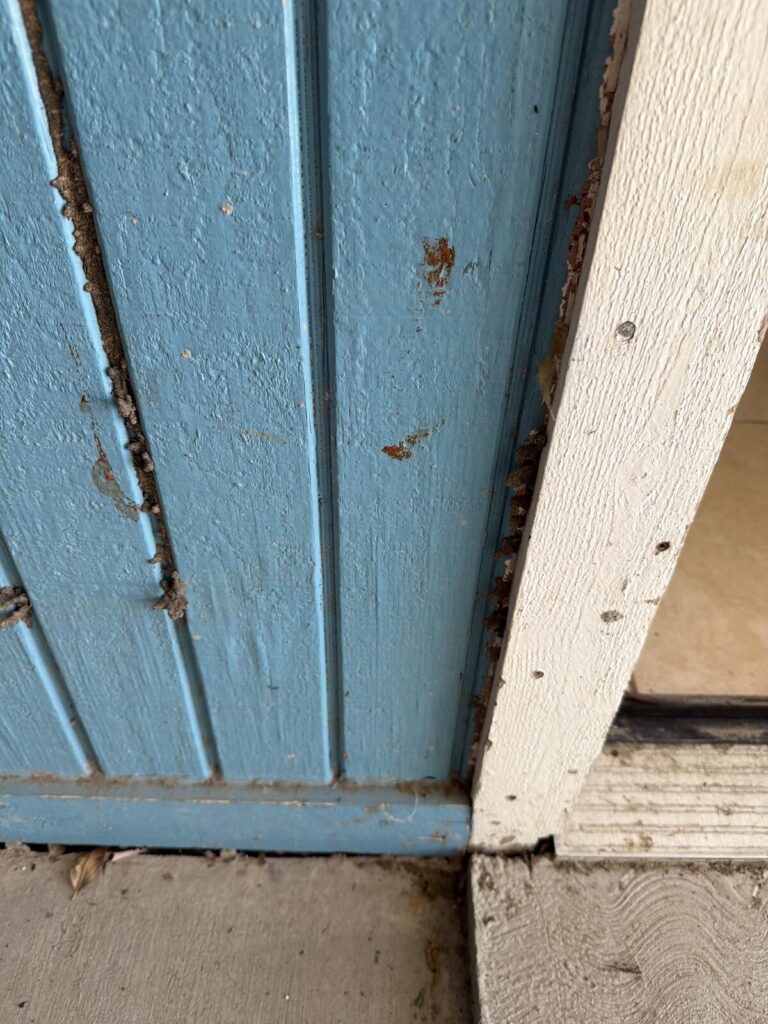
Termites cause around $5 billion in property damage every single year in the United States. That is more than the damage caused by fires, floods, and storms combined. Most homeowners don’t realize they have an infestation until a floorboard snaps or a wall starts to crumble.
Knowing the signs you need a termite inspection can help you decide when it’s time to bring in a professional. From buying a home to spotting mud tubes or discarded wings, here’s when a termite inspection should be on your radar.
When is the Best Time for a Termite Inspection
The best time to schedule a termite inspection is in spring, when termites are most active and likely to swarm. This is when scouts leave their colonies to start new ones, making them much easier to spot around your foundation.
Other Inspection Trigger Events
- Home Purchases and Refinancing: Most mortgage lenders and government-backed loan programs (FHA/VA) require a clear NPMA-33 Wood-Destroying Insect Report before closing.
- Discovering Conducive Conditions: Heavy mulch contacting exterior siding, firewood stacked against foundation walls, or chronic AC condensate leaks creating damp soil.
What are the Clear Signs You Need a Termite Inspection?
Common signs you need a termite inspection include finding discarded wings near windows or seeing mud tubes on your foundation. These tubes look like thin veins of dried dirt and act as protected highways for termites moving from the soil to your wood.
If you notice any of these red flags, call a pro immediately:
- Hollow Wood: Give your baseboards or porch posts a quick knock. If they sound empty or hollow, pests may have already eaten the center.
- Stuck Doors: Does a door suddenly stick or won’t close? Termites often chew through frames, causing the wood to sag and throw everything out of whack.
- Bubbling Paint: Look for paint that looks like it is bubbling or peeling. Most people mistake this for a leak, but it is often just bugs tunneling right under the surface.
- Frass: Keep an eye out for frass, which is just a fancy name for bug poop. It usually looks like tiny piles of sawdust or salt and pepper sitting near your trim. It looks like tiny piles of sawdust or coffee grounds near wood trim.
Can Termites Really Destroy a Whole House?
Sort of. Termites can cause enough structural damage to make a home unsafe for people to live in. They eat wood from the inside out.
Despite their destructive reputation, in the wild termites act as vital ecosystem decomposers by recycling dead wood and enriching the soil, but in human dwellings they cause billions of dollars in property damage annually. A large colony can eat through a foot of a 2×4 stud in just a few months. If they hit a main support beam, your entire roof could eventually sag or collapse.
| Termite Type | Where They Live | What They Do |
|---|---|---|
| Subterranean | Underground in moist soil | Build mud tubes to reach your floor joists |
| Drywood | Inside the wood they eat | Don't need soil and can live in attic rafters |
| Formosan | Huge colonies in the South | The most aggressive type, can eat wood very fast |
Why New Construction Still Needs Protection
New homes are not safe from termites just because the lumber is fresh and the concrete is new. Termites can crawl through a crack in a concrete slab that is only 1/32nd of an inch wide.
During construction, contractors often leave scrap wood buried in the backfill soil near the foundation. This creates a perfect starter kit for a termite colony right next to your new home.
Experts at the University of Kentucky Entomology Department note that even pressure-treated wood is not immune to termite attack, as termites can enter through cracks and cut ends or build tunnels over the surface.
How Often Should You Check Your Property
If you live in a high-risk area, have a professional inspect your home at least once a year. Most of the southern and coastal United States falls into this category where termite pressure is constant.
Regular checks help you catch conducive conditions before the bugs arrive. This includes things like mulch touching your siding or leaky outdoor faucets that keep the soil too wet. Fixing these small issues now prevents a full-blown infestation later.
What Happens During a Professional Inspection
A certified termite inspector conducts a thorough visual and physical examination of accessible interior and exterior building components:
- Subfloor & Crawl Space Audits: Probing sill plates, band sills, girders, and floor joists using high-powered flashlights and moisture meters.
- Exterior Perimeter Scans: Inspecting the exposed concrete slab edge, stucco weep screeds, downspout drainage points, and soil-to-siding clearances.
- Attic & Framing Evaluations: Checking roof rafters and ceiling joists for drywood frass, exit holes, or structural sagging.
Find Termites Before They Do Real Damage
A termite inspection is a small investment that protects your biggest asset. It gives you the facts about what is happening inside your walls so you can act before the damage becomes permanent. Waiting until you see a bug usually means the damage is already expensive.
Buffalo Property Inspections knows exactly where these silent killers like to hide. We thoroughly inspect every corner of a house so you can buy with total confidence.